

Ballistic glazing system · UL 752 Level 7 (AR-15)
BallistiMAX. Level 7 protection.Built with BallistiSHOCK.
A glass-clad polycarbonate ballistic glazing system rated to UL 752 Level 7 (AR-15) — 5.56 mm FMJ rifle rounds at 3,080 to 3,388 ft/s, 5 shots. The BallistiSHOCK reactive layer keeps the inner face intact for occupants and directs residual energy outward, away from the occupied side of the opening. Deployed in schools, sanctuaries, government receptions, and memorials.
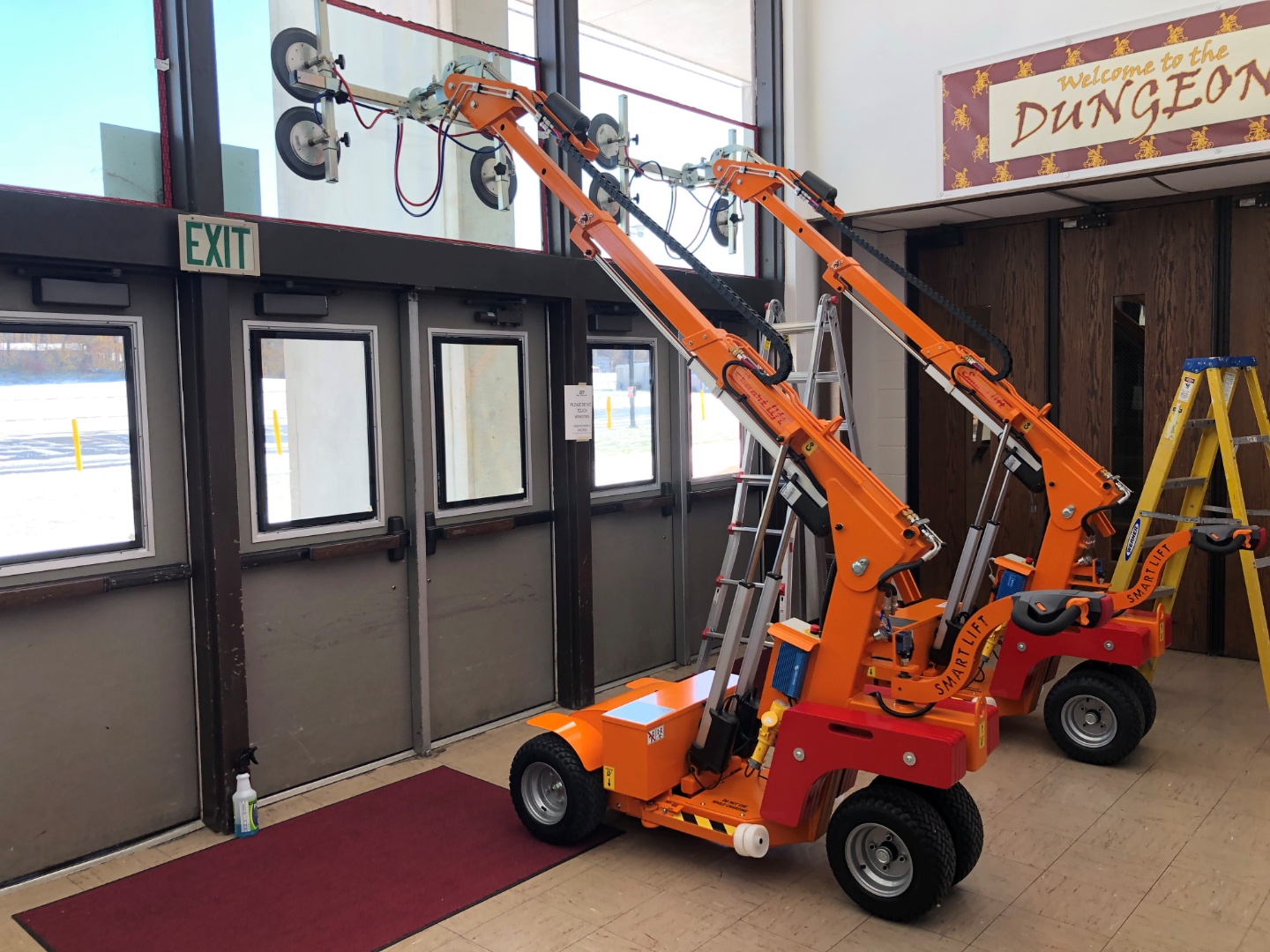
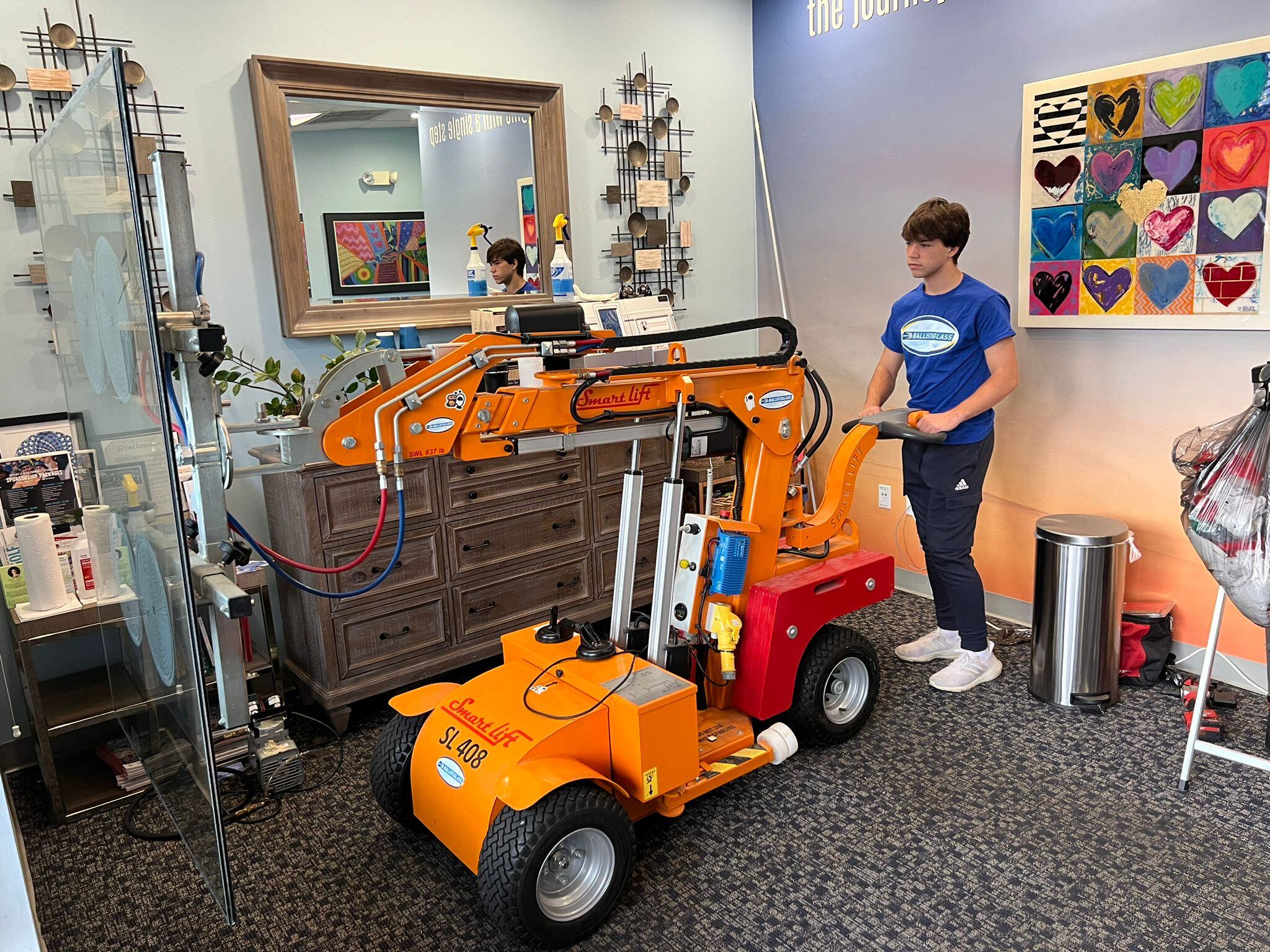
Install day, high school entry vestibule — Indiana. Two Smartlift glass handlers stage BallistiMAX panels for fitting into the existing storefront frames. Identifying signage redacted.
Live fire · on camera
Field test footage.
A field demonstration of the BallistiSHOCK reactive layer. The glass-clad polycarbonate holds. Residual energy is directed outward — away from the occupied side of the opening.
How it works
How the BallistiSHOCK layer works.
Ordinary bullet-resistant glazing absorbs and traps. The glazing soaks the round and the building takes the hit on the inside. BallistiMAX absorbs, and the BallistiSHOCK layer directs residual energy outward — away from the occupied side of the opening. On high-speed footage of a 5.56 rifle-round impact, secondary fragments exited the strike face at roughly 1,700 feet per second. The inner face held. The people on the occupied side stay protected.
This outward-directed fragmentation may temporarily incapacitate an attacker standing at the glass. The priority, always, is the occupants.
Geometry of the engagement
An asymmetric battle.
BallistiMAX is directional. The same glass behaves differently depending on which side the round comes from — and that asymmetry is the point.
Inbound: a sniper from a rooftop.
The round arrives from outside. It strikes the BallistiSHOCK layer first. The glazing absorbs the shot, the laminate stack holds the inner face, and the residual energy is directed back outward — away from the occupants. The bullet deforms in the laminate and stops. Secondary fragments exit the strike face at roughly 1,700 feet per second, traveling back toward the shooter’s position. The principal inside is safe.
Outbound: a guard returning rifle fire.
The round leaves from inside. It hits the laminate stack from the back, where there is no BallistiSHOCK layer to redirect energy. The bullet passes through the polycarbonate layers cleanly, deforms to a mushroom shape as it traverses the glass plies, and exits the strike face at deadly velocity. The window the sniper just failed to shoot through is the same window the protective detail can shoot back through.
The asymmetry, summarized.
- Principal inside: safe. The inner face held.
- Protective detail: retains the ability to engage. The outbound shot exits with terminal velocity.
- Attacker outside: mission failure. Possible secondary-fragmentation injury from the BallistiSHOCK redirect. Now exposed to return fire from a position they assumed was a one-way window.
The engagement is loud. It is brief. The principal stays protected, the detail stays in the fight, and the threat ends up on the wrong side of the math.
BallistiMAX is rated to UL 752 Level 7 — 5 shots at 3,080–3,388 ft/s. The asymmetric behavior described above is a product of the directional laminate construction (BallistiSHOCK on the strike face, polycarbonate-and-glass stack behind it) and applies across the rated threat envelope. RetroKIT, which replaces the door-and-frame assembly entirely, uses the same directional construction.
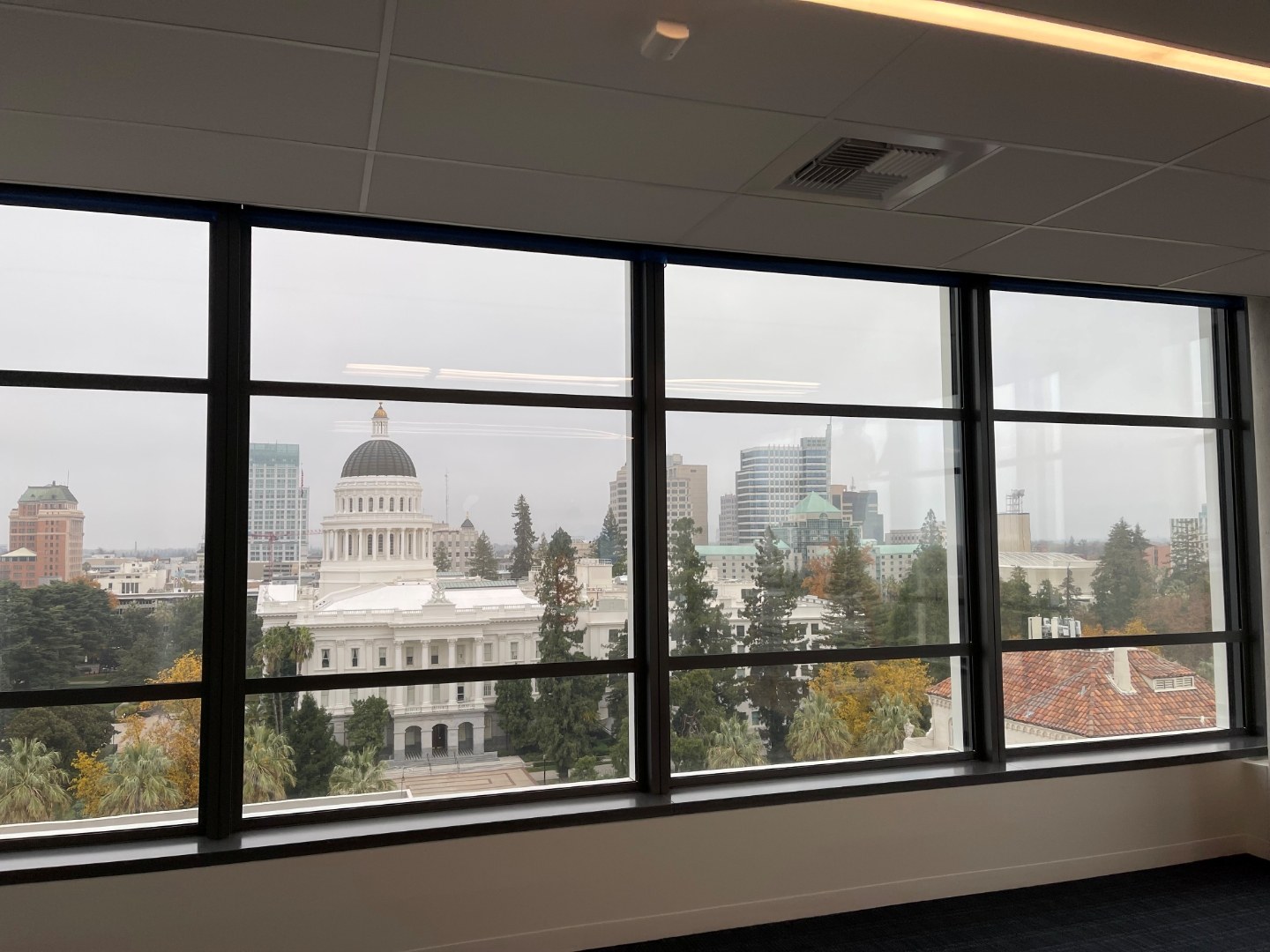
Office of the Governor of California · Sacramento · high-floor view across the State Capitol dome.
Case study · Sacramento, California
A retrofit. No windows touched.
November 2021. Office of the Governor, California. The threat model was straightforward: rooftop sniper, line of sight across the surrounding skyline, a principal who works behind the window every day.
BallistiMAX was retrofitted to the occupied side of the existing window line, set back from the glass so the original window stack was never touched. Three days, start to finish. The original glazing stays in service for daylight, view, and future replacement if it is ever damaged in an actual engagement — the BallistiMAX layer is the one doing the protective work.
No window-replacement program. No facade work. No scaffolding bill. The taxpayer paid for one product and one install, not a building-envelope project.
- MethodretroFIT — BallistiMAX panels added behind the existing glass, set back from the window line.
- Original glassnot removed, not modified.
- Durationthree days on site.
- Outcomerifle-rated protection for the principal at every desk that faces the window wall.
Two methods, one product line
RetroFIT and RetroKIT are not the same thing.
The names rhyme on purpose, and they describe two different installation methods for two different situations. The product names are spelled the way they are because each one tells you exactly what the install looks like.
BallistiMAX, retroFIT method.
BallistiMAX panels are fitted to the back side of an existing window or storefront. The original glass stays in place. The original frame stays in place. Nothing is removed. The Sacramento install above is the canonical example: the window stack at the Capitol-facing wall was not disturbed, and the protective layer was added behind it. Lower cost, faster schedule, no facade disruption.
BallistiMAX RetroKIT method.
The RetroKIT is a door-and-frame replacement kit. The existing door, the existing frame, and the existing glass are removed; the RetroKIT assembly drops into the rough opening as a single rated unit. This is the right method when the opening itself is the threat surface — a classroom door, a sanctuary entry, a vestibule — and you want a UL 752 Level 7 assembly, not just a layer behind the existing one.
Same glazing, same BallistiSHOCK layer, same threat rating. Different install methods for different geometries.
Edge profile
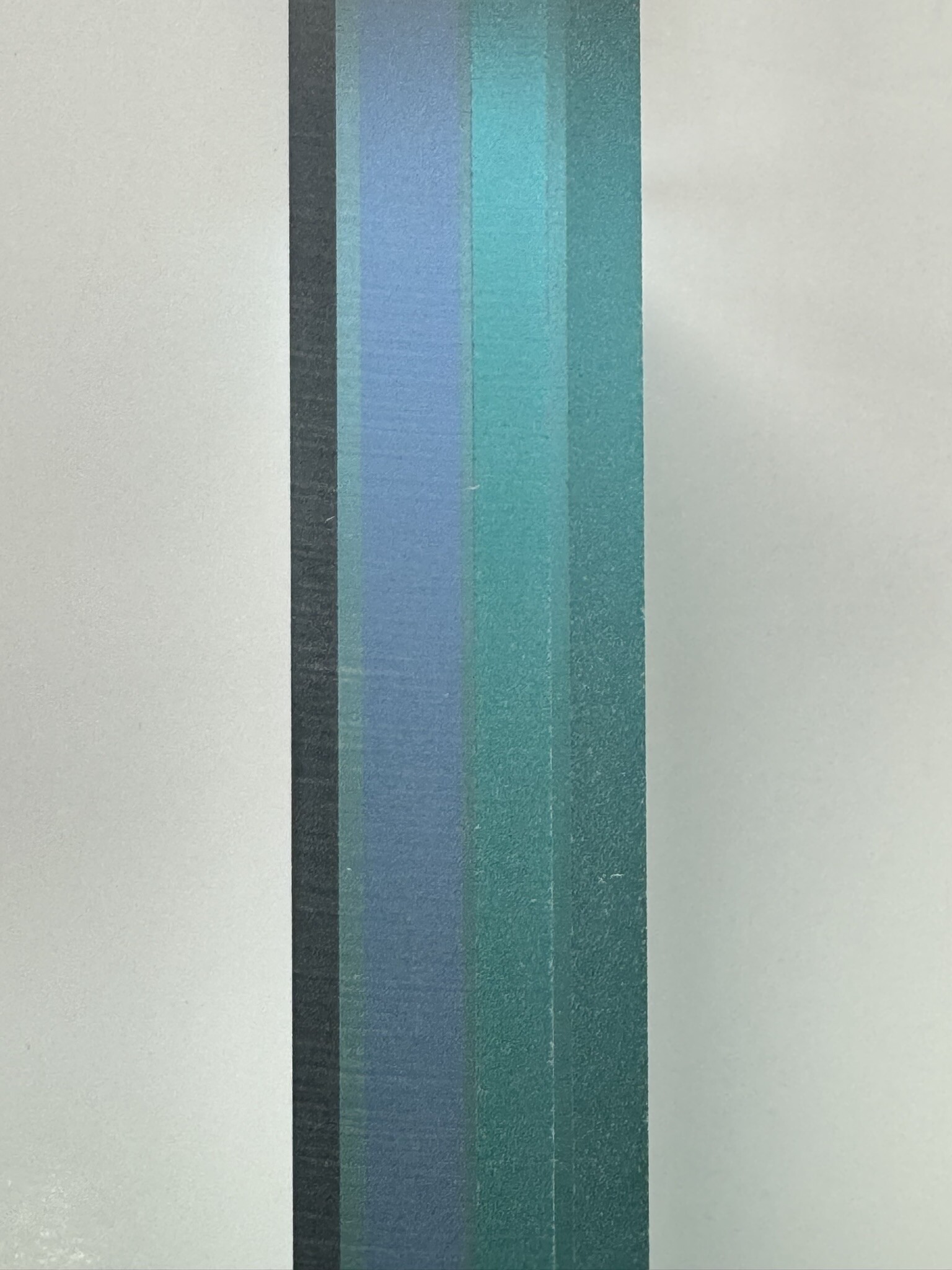
Thinner section. Lighter weight. More openings become possible.
BallistiMAX runs 1.6″ thick at 15 lb/ft². The thinner section drops into a 1.75″ door without modification, which is why the RetroKIT exists at all. The lighter weight puts less stress on existing frames and structures — openings the building couldn't otherwise carry become installable.
Category comparison — competitor's glass. For context only: a competitor's UL 752 Level 7 glass typically runs 1.94″ thick and 24 lb/ft². Those figures describe other manufacturers' product, not BallistiMAX.
Specifications
Specifications.
- Rating
- UL 752 Level 7 (AR-15)
- Rated threat
- 5.56 mm rifle · FMJ copper jacket lead core · 5 shots at 3,080–3,388 ft/s (UL 752 Level 7)
- Reactive layer
- BallistiSHOCK — holds the inner face and directs residual energy outward, away from the occupied side of the opening
- Outward fragment velocity
- Approximately 1,700 ft/s for a 5.56 round, recorded on high-speed footage
- Section thickness
- 1.6″ — fits a 1.75″ door without modification
- Weight
- Approximately 15 lb/ft² — less stress on existing frames and structures
- Common applications
- Sanctuary entries · classroom vision lites · reception lobbies · memorial institutions · government facilities
- Installation
- Specified and installed by our associates · schedules routed through our specifications team
Spec sheet · PDF · 2 pages
Printable two-page specification with the full technical profile, compliance references, and deployment context.
Where BallistiMAX is installed
Installations.
-
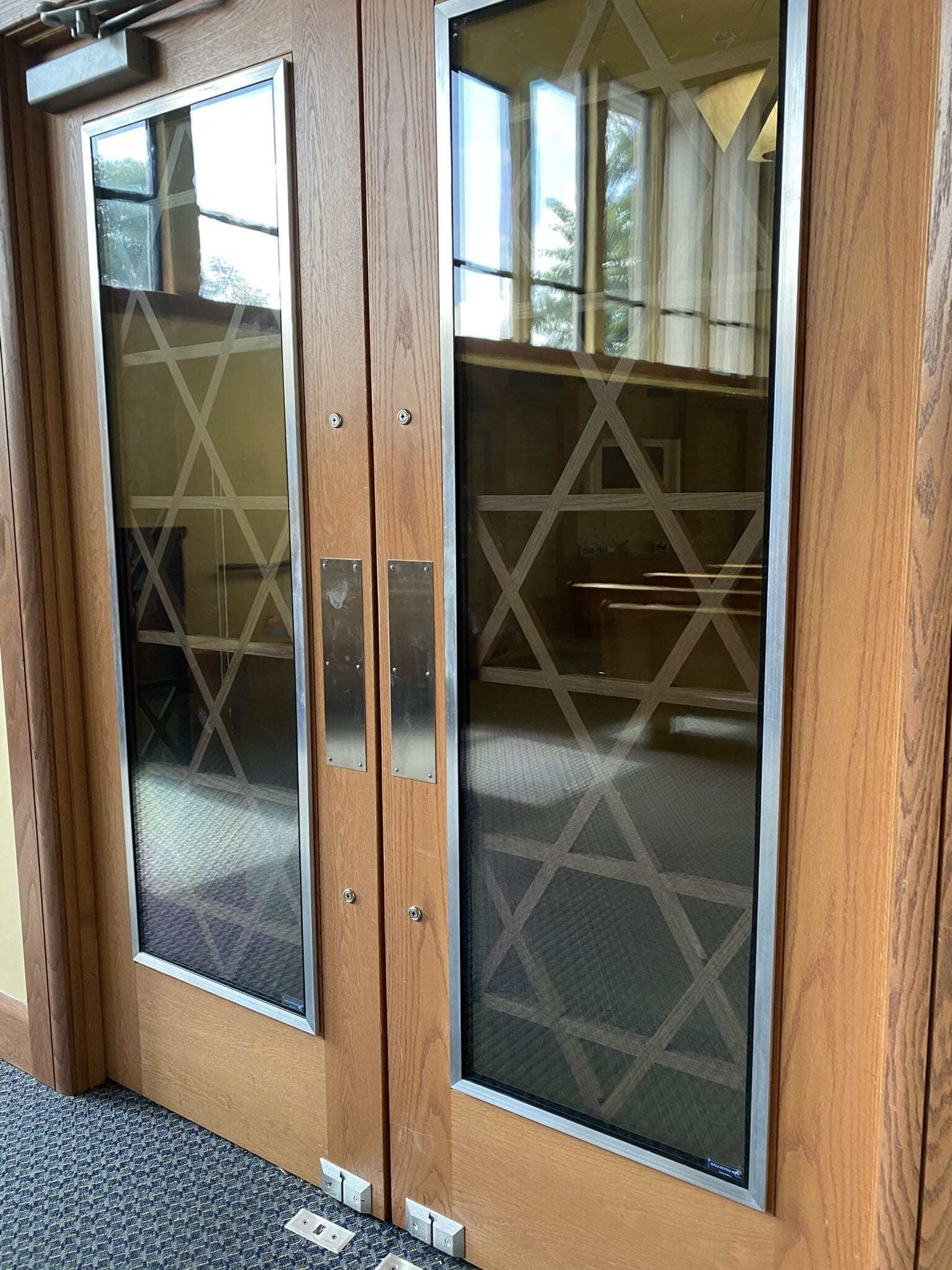 Commercial install
-
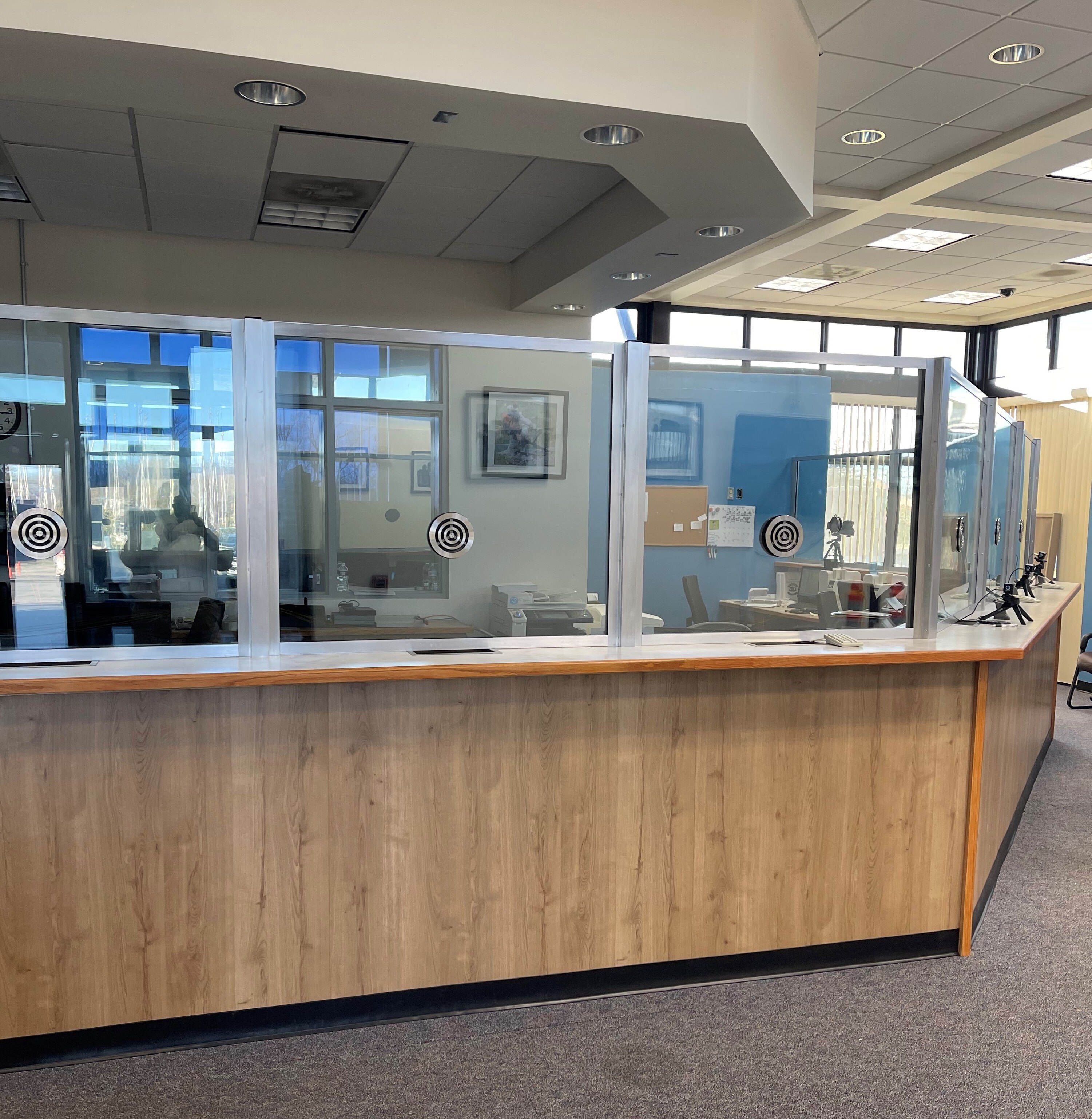 Commercial install
Government reception
Full reception build: BallistiMAX UL 752 glazing at the transaction line and BallistiSCAN — a portable walk-through metal detector — at the entrance.
-
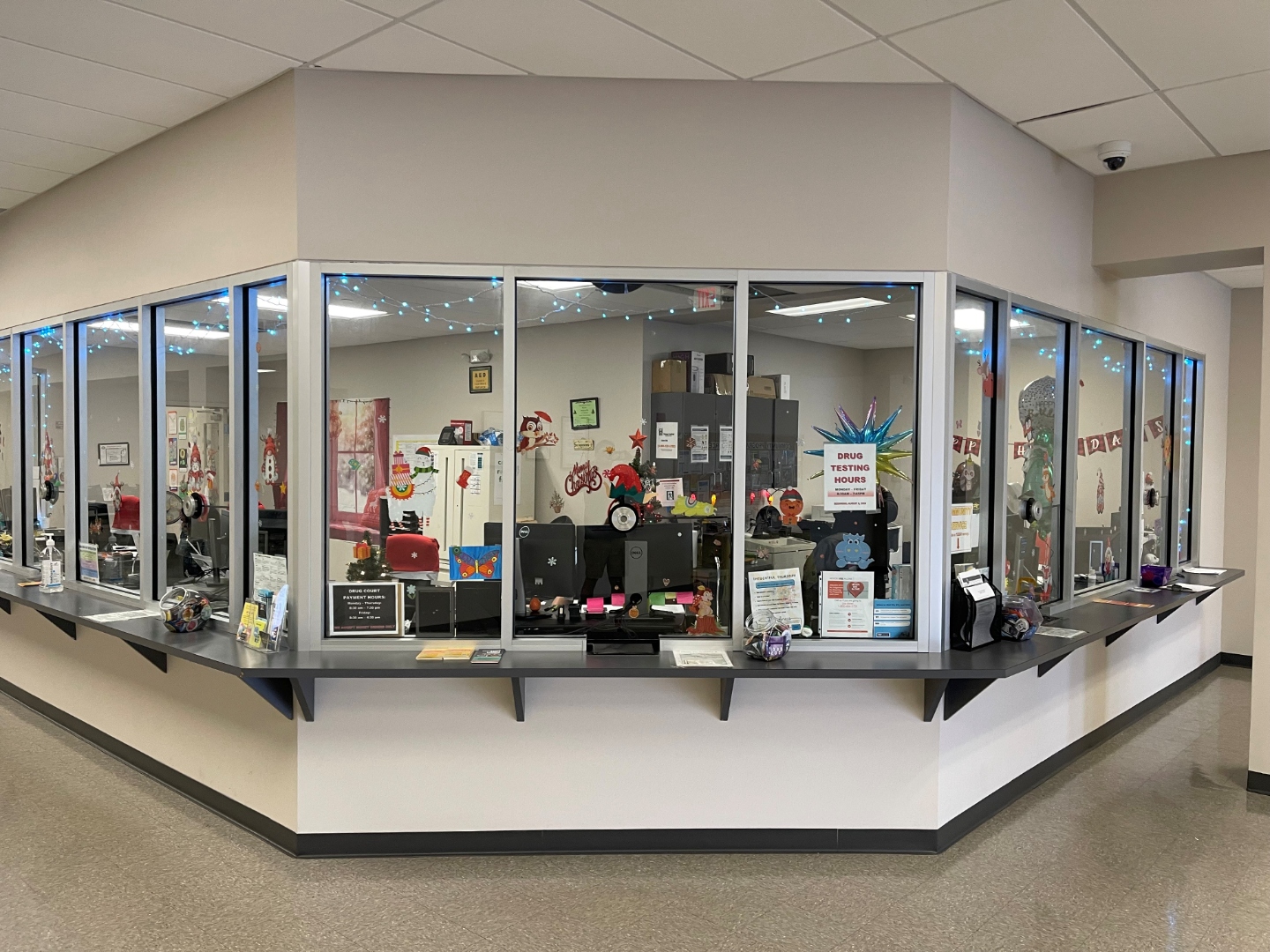 Government install
Government services counter
A long custom-cut transaction-window run — BallistiMAX glass-clad polycarbonate retained in the existing aluminum frame, specified to UL 752 Level 7 (AR-15).
Pairing
Specify with BallistiSCAN.
BallistiMAX and BallistiSCAN are specified together in most full-envelope projects. The walk-through at the entrance reads who comes in. The glazing holds if someone decides to try anyway.
Request a specification.
Share a sanctuary door, a reception lobby, a classroom entry. An associate from our specifications team will respond within one business day.